
0 CART
items in your cartto quote Checkout
Ooops no items were found.
Try something else.
Ok
Loading…

Why Sensory Spaces Matter in Today's Workplace

2 min

In today’s business environments, we’ve become incredibly good at optimizing productivity—but often at the expense of the people doing the work. Open offices buzz nonstop, video calls stack back-to-back, and the expectation to be “on” all day has quietly become the norm. While these environments may look efficient on paper, they can slowly wear down our nervous systems.

This is where sensory spaces come in—not as a luxury or trend, but as a practical, human-centered solution to help employees reset, regulate, and return to their work with clarity.


What Are Sensory Spaces in the Workplace?

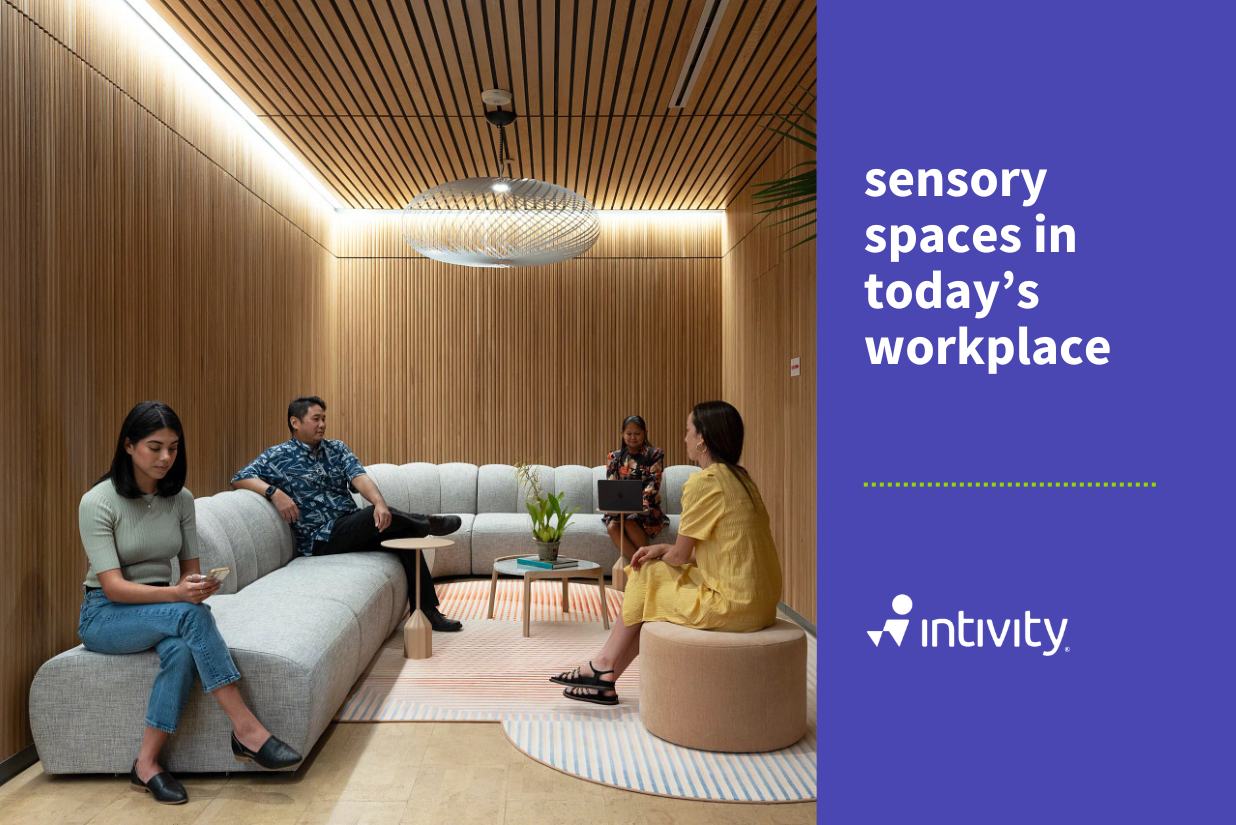
Sensory spaces are intentionally designed areas that allow individuals to step away from stimulation and regain balance. Unlike break rooms or collaboration zones, these spaces are designed for rest, regulation, and decompression.

They may include:

  • Quiet rooms with minimal visual and auditory input
  • Soft lighting or natural light
  • Comfortable seating or floor cushions
  • Calm color palettes and natural materials
  • Optional sensory tools such as textured objects, aromatherapy, or sound masking

The goal isn’t to escape work—it’s to support the brain and body so work can continue more sustainably.


Why “Taking a Few Minutes” Actually Matters

Stepping away for a few minutes each day might sound insignificant, but neurologically, it’s powerful.

Short, intentional breaks:

  • Allow the nervous system to move out of constant “fight or flight”
  • Improve emotional regulation and decision-making
  • Reduce cognitive fatigue
  • Increase resilience to stress throughout the day

A sensory space gives employees permission to pause without judgment—without having to leave the building, hide in a stairwell, or scroll numbly on their phone at their desk.

It’s not about “doing less.” It’s about recovering enough to do better.


Intivity + Steelcase: Designing for the Human Experience

At Intivity, we believe great workplaces are designed around people—not just tasks. Our partnership with Steelcase allows us to bring research‑driven insights into how the physical environment impacts well-being, behavior, and performance.

Steelcase research consistently shows that giving people choice and control over where and how they work leads to better outcomes. Sensory spaces—whether quiet rooms, focus areas, or restorative zones—are a natural extension of that philosophy. When thoughtfully integrated, they support diverse work styles and acknowledge that managing energy is just as important as managing time.


Supporting Sanity, Performance, and Culture

Creating space to pause sends a powerful message: well-being matters here. Sensory spaces help normalize healthy breaks, reduce burnout, and reinforce a culture of trust and care—key drivers of engagement and retention.

In a fast‑paced business environment, sometimes the most impactful design choice is providing a place to breathe.

At Intivity, we work with organizations to design environments—supported by Steelcase solutions—that help people do their best work, every day.

Get in Touch

Connect with us to see what it’s like to work with Intivity.

sign up for our newsletter

We won't email you every day, we promise! Just when we have a great product or deal to tell you about.

sign up for our newsletter

* indicates required
SEARCH ×

Search